All you Need to Know
“Chiropractics and The Chiropractor”
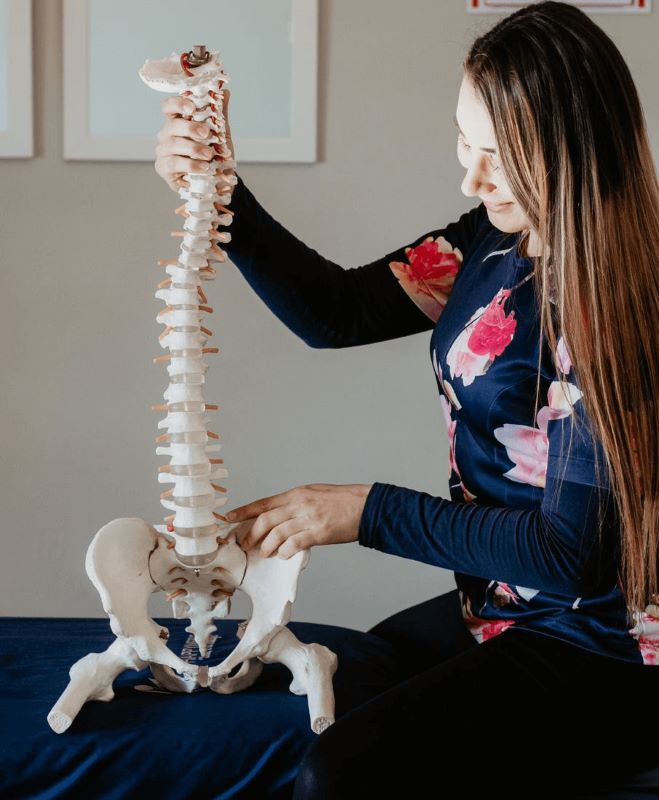
What is a Chiropractor?
A chiropractor is a registered healthcare practitioner that cares for
patient‘s by treating and preventing biomechanical disorders of
the neuromusculoskeletal system – the bones, joints, nerves,
muscles, tendons, and ligaments. In South Africa, chiropractors study
for 6 years to achieve their ”Doctor“ title.
A chiropractor is focused on the body‘s ability to self-heal by
helping to manage pain through the use of adjustments to maintain good
alignment by realigning the joints in the body.
Chiropractic
adjustments improve the functioning of other systems throughout the
body.
Chiropractors can help with a multitude of conditions and are used as an
alternative to, or to complement, conventional medicine by keeping
people off medications and away from surgery unless absolutely necessary
and as a last resort.

What Does a Chiropractor Do?
A chiropractor is a highly trained professional specialising in spinal
manipulation by
using their hands or instruments to apply a gentle force to a joint in
the spine to help
improve the range of motion, blood flow, nutrients and functioning of
the spine and
other parts of the body, eg shoulders, hips,and ankles etc.
Chiropractics, a holistic non-invasive approach, is commonly used for
many conditions
and various types of pain in the body, thus creating a healthy lifestyle
for you and the
whole family of any age.
Chiropractors rely on and assist the body's ability to heal itself.
In addition to spinal manipulation, other treatments may be included,
such as:
• Relaxation
• Stimulation
• Heat or ice treatment
• Exercise – stretching
• Activity modification – suggesting how to make changes to
your day–to–day
activities to alleviate discomfort and enable recovery.

Reasons to See a Chiropractor.
The most fundamental reason is to manage or eliminate pain which occurs
mostly in their
lower back, neck, shoulders and head.
Signs you need to schedule your visit with your Chiropractor:
• Limited range of motion.
• Frequent headaches / migraines.
• Chronic pain in joints and muscles.
• Healing from a recent accident.
• Whiplash.
• Sinus congestion / feeling ill.
• Numbness and tingling in your arms or legs.
• You have a immobile career or lifestyle.
Our bodies are complex and respond to a variety of external stressors
each day. Physical, chemical and emotional stress play a role in
decreasing how our
bodies ability to function optimally.
There are other reasons patients seek chiropractic care. They include
but are not
limited to the following:
• Preventing disease / pain.
• Increasing energy.
• Strengthening immunity.
• Fostering overall well being.

How a Chiropractic Adjustment Works
Chiropractic adjustment is the most common way that Doctors of
Chiropractic treat painful and dysfunctional areas of the spine.
Chiropractic is an art as it is a science.
Our bodies are complex and respond to a variety of external stressors
each day, decreasing our body‘s ability to function optimally.
Chiropractic adjustments are either a quick movement or slow with
constant pressure.
Even newborns can receive adjustments – there are techniques
specifically designed for them.
The Chiropractic Adjustment delivers gentle movement into these
restricted joints and tight muscles. By encouraging proper motion, pain
and inflammation are reduced. Patients often experience improved
mobility and decreased pain and muscle tightness with chiropractic
treatments.
A “cracking noise” is often heard during an adjustment,
similar to that when opening a can of a cooldrink. These noises are
generated when the gas is released from the joint fluid during quick
distraction of the joint surfaces, and is not harmful to the vertebrae
in any way.
The aim of adjustment is always to normalize spinal functioning and to
remove interference in the nervous system, thus allowing innate healing
abilities to function properly.

Your First Visit with the Chiropractor
Your first visit will begin with a thorough medical history
assessment.
A indepth medical history questionaire needs to be
completed.
A physical examination will include several diagnostic and orthopaedic
tests, checking
posture, muscle strength, arm and leg mobility.
If necessary further
investigations or testing, such as
x-rays, blood tests, urine samples, ultrasound, may be required, to
establish if your diagnosis will be suitable for chiropractic
treatment.
During a chiropractic adjustment procedure, you will be asked to lay
face down on a
specially padded chiropractic table, or a drop table, designed with
sections that drop
down when pressure is applied to the back. This enables realignment of
your spine by the
chiropractor using controlled force.
During your procedure you will
be positioned in different ways, enabling access to various areas of
your body.
You will be provided with valuable patient education and information
ensuring you to
take good care of your body and spine by good posture while standing,
sleeping, or
sitting at a desk.

Following a Chiropractic Procedure
By encouraging proper motion, most people experience decreased or
immediate pain relief and reduced inflammation, improved mobility, and
over time see their health improve.
It is not uncommon to experience mild discomfort, after the first few
chiropractic adjustments, as your body adjusts to the new normal. The
good news is many reactions to chiropractic adjustments are your
body‘s natural way of growing and healing.
Some may have a mild headache or feel fatigued, or have soreness in the
treated areas, for several days following your visit.
A few things you may be mindful of to help support your body after a
chiropractic adjustment:
• Drink plenty of water and lots of rest
• Light gentle exercise to encourage proper blood flow, strengthen
muscles and improve flexibility such as walking and stretching.
• Heat packs or hot Epsom salt baths.
Some may even experience the following after a Chiropractic
adjustments:
• Cold-like symptoms or fever.
• Fatigue and / or sore muscles
• Change of bowel movements.